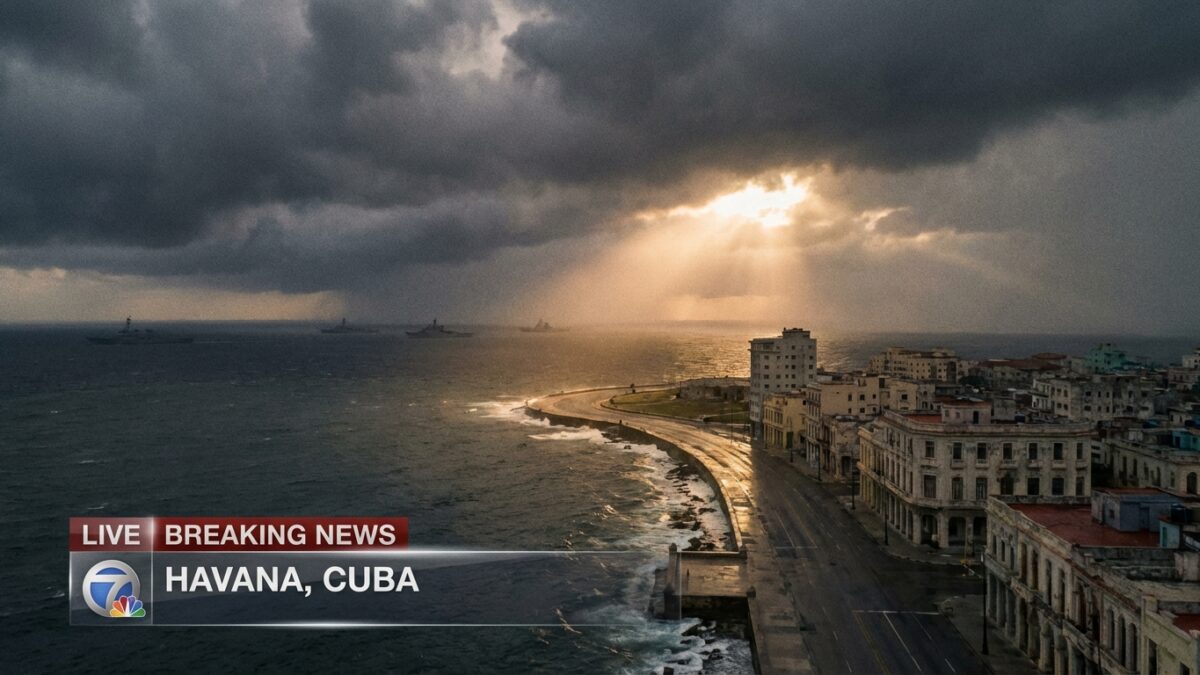
In the last 48 hours, the Cuban crisis has escalated to a level few anticipated. President Trump openly spoke of a “friendly takeover” of Cuba, Secretary of State Marco Rubio was tasked with leading negotiations with Havana, and on the island, student protests and the energy collapse paint a picture of a regime on the brink.
Here’s what’s happening — and what it means.
Trump and the “Friendly Takeover”
On March 10, President Trump declared that Cuba “may or may not” be the subject of a “friendly takeover.” It’s not the first time he’s used the term, but the context has changed dramatically.
Unlike previous statements, this one comes backed by concrete actions:
- Effective oil blockade: The military operation in Venezuela has cut off the crude flow that kept Cuba running
- Real negotiations: Marco Rubio, son of Cuban exiles and architect of the maximum pressure policy, was tasked with leading talks with the regime
- Reports of a possible deal: USA Today reported a deal would include new terms on energy and tourism
Speaker Johnson Rules Out Troops
In Doral, Florida — during the annual House Republicans retreat — Speaker Mike Johnson was direct when asked about sending troops to Cuba: “Should we be sending a bunch of American troops there? I don’t think there is a necessity for that.”
It’s an important statement. It signals that the Republican strategy for Cuba isn’t a Bay of Pigs-style invasion, but sustained economic and diplomatic pressure that forces the regime to negotiate from a position of extreme weakness.
Aaron Rosen of the World Affairs Council summed it up well: “American history shows that, often times, Republican presidents that have the necessary anti-communist credentials are able to sell deals with governments we previously wouldn’t have negotiated with.”
Protests at the University of Havana
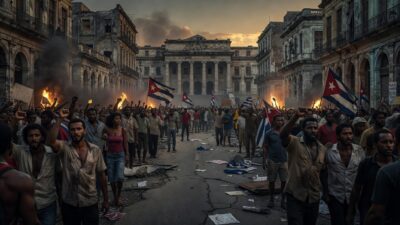
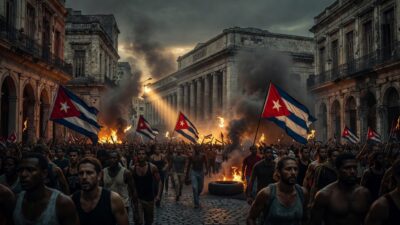
While Trump talked deals, something unprecedented was happening on the island. On March 7, a group of students at the University of Havana staged a multi-hour protest on campus — the institution that for decades served as the regime’s ideological breeding ground.
The students weren’t protesting over ideology. They were protesting because they can’t go to class. The 16 to 20-hour daily blackouts have made normal university operations impossible. There’s no electricity for labs, libraries, or dormitories.
When the regime loses its university youth — its supposed ideological base — the revolutionary narrative crumbles.
The “Save Cuba” Campaign
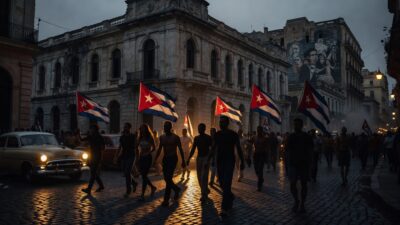
In a parallel development, the Assembly of the Cuban Resistance launched a new campaign called “Save Cuba,” with pro-democracy activists inside the island recording and distributing videos calling for change. It’s an act of extraordinary bravery — in Cuba, filming a protest can cost you years in prison.
The campaign aims to maintain internal pressure while external negotiations advance. It’s the right combination: pressure from inside and outside, simultaneously.
What Comes Next?
The coming days and weeks are critical. Several scenarios are possible:
Scenario 1: Real Negotiation
Díaz-Canel, pressured by generals watching their GAESA businesses crumble, agrees to negotiate with Rubio. A deal would include energy and tourism openings in exchange for gradual political reforms. It’s the most optimistic scenario — and the least likely without sustained pressure.
Scenario 2: Transition from Within
Cuba’s military decides Díaz-Canel is a liability and replaces him with a more pragmatic figure willing to negotiate. A “Cuban Gorbachev” who manages the opening while protecting the FAR’s interests.
Scenario 3: Social Eruption
The energy crisis triggers massive protests the regime can’t contain. An amplified 11J, with the difference that this time the regime doesn’t have oil to even move the riot trucks.
Our Position
At Luna de Fresa, our position is unequivocal: the Cuban people deserve to be free. Not “Cuban-style free” — with cosmetic reforms within a single-party system. Truly free. With multiparty elections, press freedom, free enterprise, and guaranteed human rights.
Trump and Rubio have a historic window. Let them not waste it.
We’ll keep reporting.