

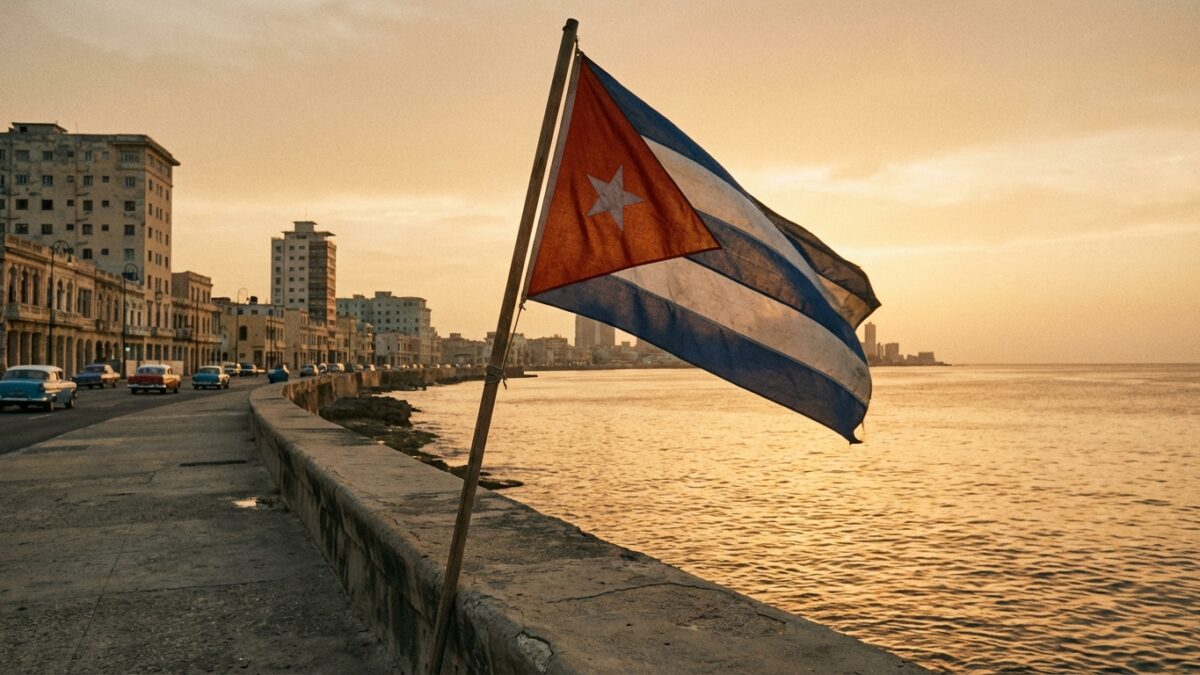
TLDR: Russia tried to send oil to Cuba. One tanker docked, another turned around. But regular Cubans won’t see a drop — the fuel goes straight to military installations, government buildings, and regime-connected hotels. Meanwhile, Cuba released 2,010 prisoners as a “humanitarian gesture” while the power grid collapsed three times in one month.
My dad’s family knows what happens when the lights go out in Cuba. They lived it. The blackouts, the hunger, the quiet desperation of a regime that can’t keep the power on but refuses to let go of power.
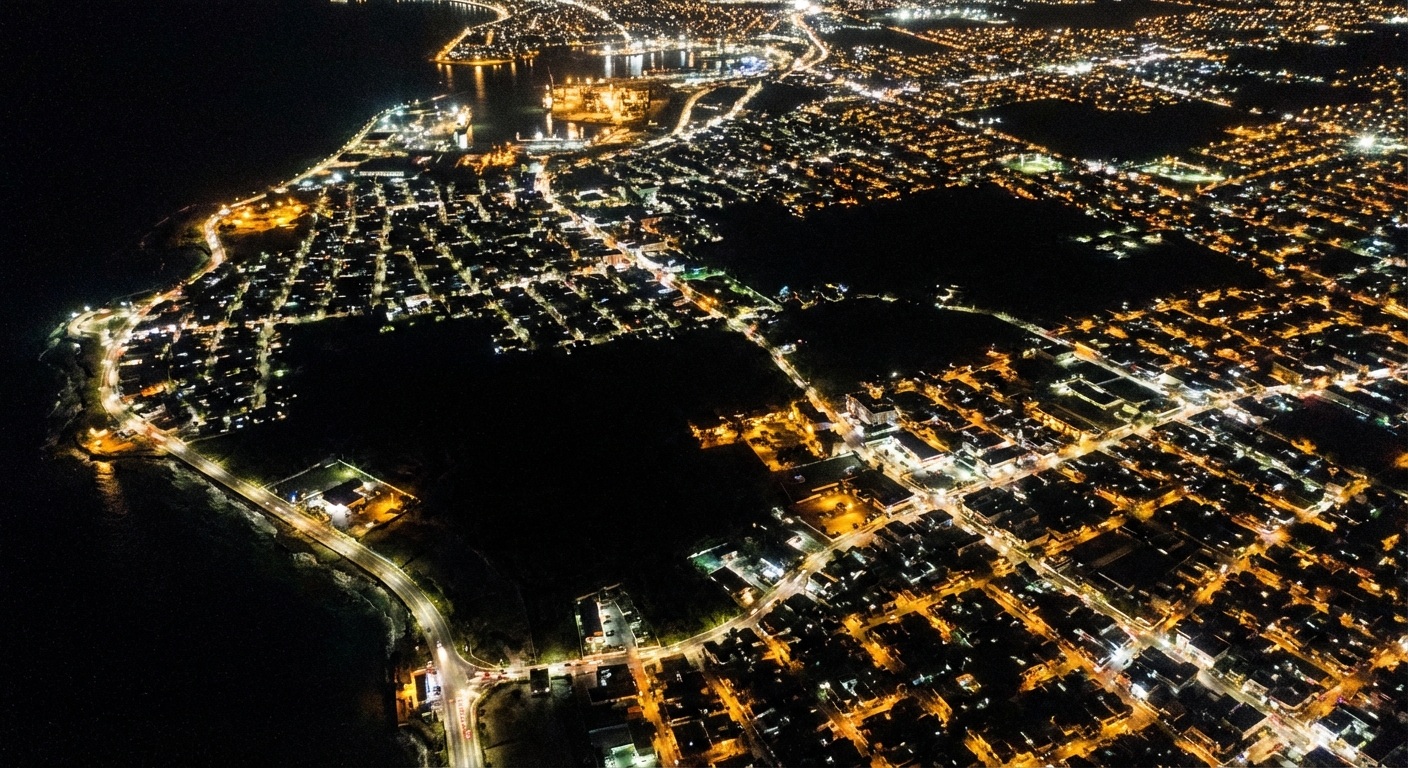
This month, Cuba’s electrical grid collapsed three times in a single week. Three times. Eleven million people plunged into total darkness — not because of a hurricane, not because of some natural disaster, but because of a system that has been rotting from the inside for 67 years.
And for the first time in decades, someone is actually doing something about it.
The Tanker That Turned Around
On April 2, a Hong Kong-flagged vessel called the Sea Horse — carrying roughly 200,000 barrels of Russia-origin fuel originally bound for Cuba — began discharging its cargo at a terminal in Venezuela instead. According to Reuters, the ship had been stuck in the Atlantic for weeks, unable to reach Cuban ports under the weight of the U.S. fuel blockade.
Russia tried to break through. America said no. The tanker surrendered.
This wasn’t some symbolic gesture. Executive Order 14380, signed January 30, threatens tariffs against any nation that supplies fuel to Cuba. That’s not a suggestion. That’s a wall.
Russia Blinks — Then Doubles Down
Moscow isn’t done testing. On the same day the Sea Horse gave up, Russian Energy Minister Sergei Tsivilev announced plans to send a second tanker to Cuba. A Russian-flagged vessel carrying about 700,000 barrels of crude had already docked at Cuba’s Matanzas terminal earlier in the week — the first Russian ship to reach the island under the current blockade.
Bloomberg calls it “further testing” the blockade. The New York Times confirms the second shipment is already being planned. Russia is playing chicken with Washington. The question is who blinks first.
The Oil Crisis Timeline
Here’s how the blockade escalated — from the first January strike to the tanker standoff happening right now:
| Date | Event | Impact |
|---|---|---|
| Jan 11, 2026 | U.S. military operation removes Maduro in Venezuela | Cuba loses its primary oil supplier overnight |
| Jan 29, 2026 | Trump signs Executive Order 14380 | Threatens tariffs on any nation supplying fuel to Cuba |
| Jan 30, 2026 | Executive Order takes effect | De facto oil blockade begins |
| Feb–Mar 2026 | Three nationwide power grid collapses | All 11 million Cubans affected; hospitals lose patients |
| Mar 13, 2026 | Díaz-Canel confirms Raúl Castro in U.S. talks | Backchannel negotiations begin under pressure |
| Mar 20, 2026 | Cuba categorically rejects removing Díaz-Canel | Regime refuses U.S. demands |
| Mar 31, 2026 | Russian tanker Anatoly Kolodkin docks at Matanzas | First Russian oil delivery under blockade |
| Apr 2, 2026 | Sea Horse reroutes to Venezuela | Second tanker fails to break blockade |
| Apr 2, 2026 | Russia announces second tanker will be sent | Moscow tests Washington’s resolve again |
| Apr 3, 2026 | Cuba releases 2,010 prisoners | “Humanitarian gesture” under mounting pressure |
That Oil Isn’t For You
Here’s what the headlines don’t tell you: even if Russia’s tankers break through, no regular Cuban will see a drop of that fuel.
Cuba’s oil distribution system isn’t built for the people. It never was. When oil enters the country, it goes to three places: military installations, government buildings, and regime-connected hotels and resorts. The power grid that keeps Havana’s luxury hotels lit — the ones where European tourists sip mojitos — runs on a separate circuit from the one that serves residential neighborhoods.
This is how every communist regime operates. When resources are scarce, the party eats first. My dad’s family watched it happen for decades. The fuel that was supposed to power their neighborhood went to the Party headquarters down the street. The food that was supposed to fill the bodega went to the military commissary.
The BBC reports that Cuba is rationing gasoline. But who gets the ration cards? Government workers, military personnel, state-run enterprises. The taxi driver, the farmer, the grandmother running a fan in her apartment — they get whatever’s left.
Russia’s oil won’t fix Cuba’s power grid. It’ll fix the regime’s power grid. The distinction matters.
2,010 Prisoners and a Desperate Signal
While Moscow ships oil, Havana ships people — out of prison.
On April 3, Cuba announced the release of 2,010 prisoners, calling it a “humanitarian and sovereign gesture.” BBC reported inmates emerging from La Lima prison in eastern Havana, crying and hugging relatives who had waited all morning.
Foreign nationals, young people, women, inmates over 60. Sounds compassionate, right?
Don’t be fooled. When dictatorships start showing mercy, it’s never about humanity. It’s about survival. Human Rights Watch confirms Cuba still holds hundreds of political prisoners. This release isn’t compassion — it’s a regime trying to buy goodwill before the next wave of pressure hits.
I’ve seen this playbook before. My mom’s family watched Ortega do the same thing in Nicaragua — offer crumbs to distract from the cage.
Europe Quietly Writes a Check
While Washington squeezes, Brussels is playing both sides. On April 2, the European Commission released 2 million euros in humanitarian aid for Cuba, citing “worsening humanitarian conditions.”
Two million euros won’t break the blockade. But it gives Havana a diplomatic lifeline — and creates an awkward reality for Washington. America’s closest European allies are quietly funding the regime Trump is trying to collapse.
Mexico, meanwhile, has defied U.S. pressure entirely, continuing to accept Cuban medical workers — over 24,000 deployed across 56 countries.
What Trump Actually Wants
The Atlantic published a sharp analysis on April 3. The strategy isn’t regime change — it’s regime capture. Remove the leader, keep the structure. That’s what happened in Venezuela: Maduro was taken out, but his government was left standing under Delcy Rodríguez. As I wrote about here, that transition is anything but democratic.
The same playbook is being prepared for Cuba. Remove Díaz-Canel. Leave Raúl Castro — 94 years old, still the most powerful man on the island — in place. According to AP News, Castro is personally involved in negotiations with Washington.
Cuba has categorically rejected the idea. But every blackout makes their position weaker.
The Real Cost
Hospitals are losing patients because the power keeps cutting out. Food is rotting in the tropical heat. Transportation has collapsed. People are fleeing — a mass exodus documented by The Guardian.
This is what socialism looks like when the subsidies stop. My dad’s family lived through it. My mom’s family lived through a version of it in Nicaragua under Ortega. The pattern is always the same: the regime promises paradise, delivers misery, and blames someone else when the lights go out.
Russia’s second tanker is on its way. The EU is writing checks. Mexico is defying Washington. And 11 million Cubans are sitting in the dark, waiting for someone — anyone — to fix what 67 years of communist rule broke.
The 2026 Cuban crisis isn’t a chapter. It’s an ending. The only question is how it ends.
FAQ
Why is Cuba experiencing blackouts in 2026?
Cuba’s power grid collapsed three times in March 2026 due to a combination of decaying infrastructure and a U.S. fuel blockade. Executive Order 14380, signed January 30, threatens tariffs against any country that supplies oil to Cuba, effectively cutting off the island from its primary energy sources.
Is Russia helping Cuba with oil?
Russia has sent one tanker carrying approximately 700,000 barrels of crude to Cuba’s Matanzas terminal. A second tanker (the Sea Horse) carrying Russia-origin fuel was rerouted to Venezuela after failing to break through the U.S. blockade. Russia has announced plans to send a third tanker.
Will regular Cubans benefit from Russian oil?
Unlikely. Cuba’s oil distribution prioritizes military installations, government buildings, and regime-connected enterprises. Residential neighborhoods are on a separate, lower-priority circuit. Even when oil arrives, ordinary Cubans see little benefit.
What does the U.S. want from Cuba?
According to analysis from The Atlantic and War on the Rocks, the Trump administration is pursuing a “regime capture” strategy — removing President Díaz-Canel while preserving the existing government structure, similar to what was done in Venezuela with Maduro.
Why did Cuba release 2,010 prisoners?
Cuba called it a “humanitarian and sovereign gesture,” but analysts see it as a move to generate goodwill under mounting U.S. pressure. Human Rights Watch notes that Cuba still holds hundreds of political prisoners.
How is the EU responding to the Cuba crisis?
The European Commission released 2 million euros in humanitarian aid for Cuba on April 2, citing worsening conditions. Mexico has also defied U.S. pressure by continuing to accept Cuban medical workers.