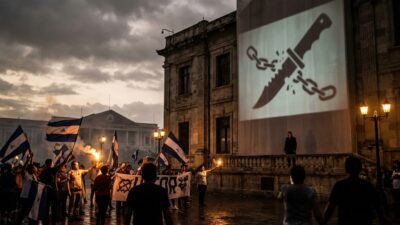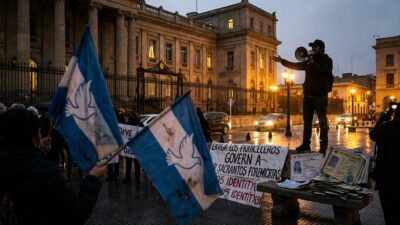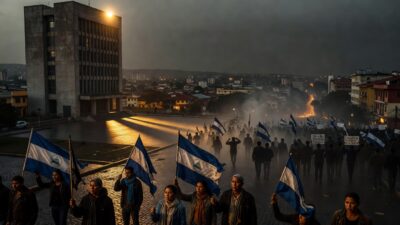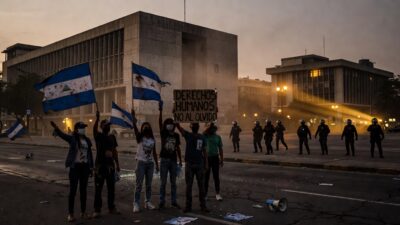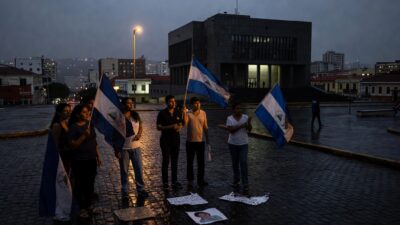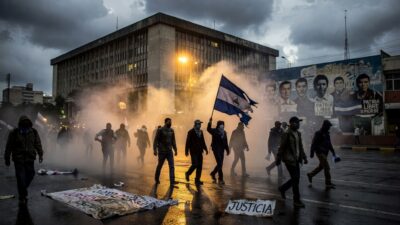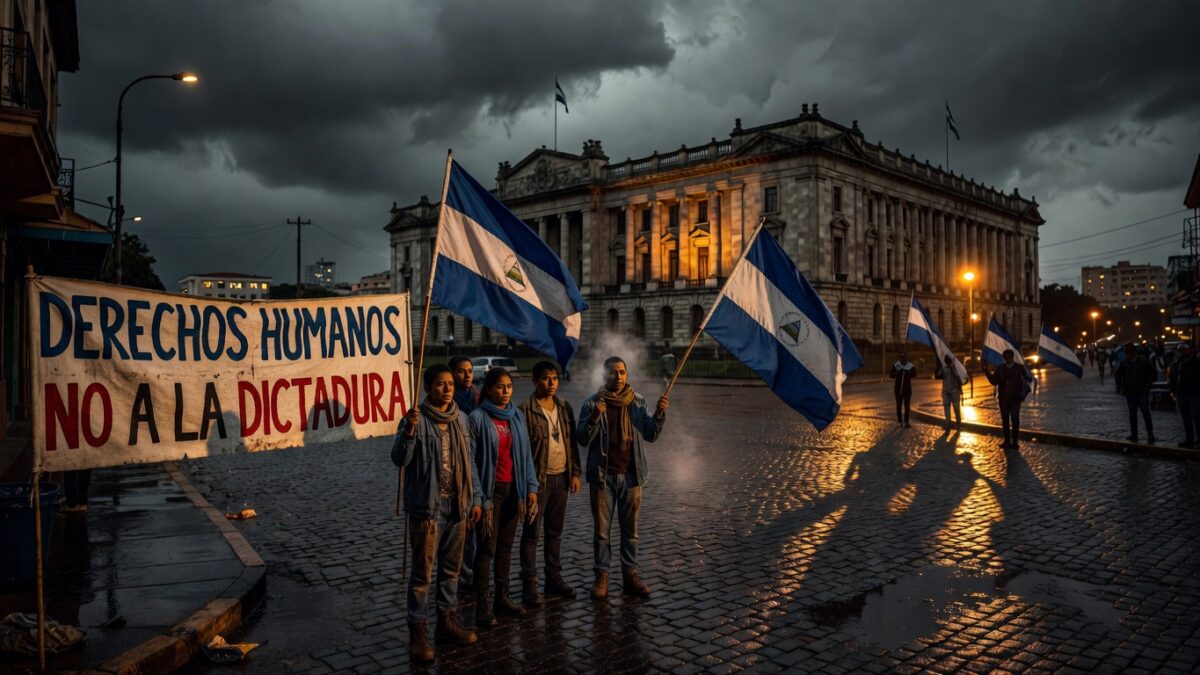
I’ve watched dictatorships destroy families before, but what Ortega is doing in Nicaragua goes beyond traditional oppression. This isn’t just political persecution — it’s a surgical attack on identity itself.
Last January, Nicaragua’s National Assembly ratified a constitutional reform that eliminates dual nationality, creating a modern weapon of state-sponsored erasure. With one stroke of a pen, Ortega is transforming citizenship into a tool of political punishment.
The Human Cost of Bureaucratic Violence
These aren’t abstract numbers. These are real people — families torn apart, dreams shattered. According to UN human rights investigators, 452 Nicaraguans have been stripped of their citizenship since February 2023, with 94 people desnationalized in a single day.
My father always said dictators fear memory more than resistance. Ortega doesn’t just want silence — he wants complete erasure.
This isn’t a law. It’s a declaration of war against anyone who dared to dream of freedom. Journalists, student activists, entire families have been forced into exile, now facing an impossible choice: renounce their homeland or lose their citizenship entirely.
The Calculated Destruction of Identity
What we’re witnessing is a surgical attack on community. By fragmenting populations, weakening resistance networks, and isolating dissidents, Ortega is implementing a playbook straight out of totalitarian manuals. The systematic dismantling of civic belonging has become his primary weapon.
Each stripped citizenship represents a life interrupted. These aren’t just legal documents — they’re connections to history, to family, to culture. For Ortega, they’re chess pieces. For real people, they’re everything.
Why Americans Should Care
This isn’t just a Nicaraguan problem. This is a warning about how fragile democratic freedoms can become when authoritarian regimes consolidate power. The communist nightmare doesn’t just happen — it’s carefully engineered, one bureaucratic decision at a time.
As someone whose family fled communist regimes, I can tell you: these aren’t distant stories. These are warnings about what happens when governments decide some citizens are disposable.
What Can We Do?
We cannot stay silent. Every time we share these stories, we challenge Ortega’s plan. Freedom isn’t requested — it’s demanded. We must amplify these voices, support human rights organizations, and ensure the world doesn’t look away.
The fight for Nicaragua’s soul continues. And we will not forget.
Frequently Asked Questions
What is the most important thing to know about this topic?
Understanding the fundamentals and applying them consistently matters more than chasing shortcuts. Start with the basics, measure results, and iterate.
How long does it take to see results?
Most practitioners see measurable improvement within 60-90 days of implementing a consistent strategy.
What should I avoid?
Avoid tactics that prioritize short-term gains over long-term trust. Sustainable results come from quality and consistency.