TL;DR: Cuba’s blackout crisis is no longer just an infrastructure story. It is a legitimacy story. When a regime cannot keep the lights on, cannot secure fuel, cannot keep hospitals functioning, and cannot stop people from banging pots in the streets, it is not managing a country. It is managing decline. My dad’s family fled Cuba because socialism always ends the same way: shortages, fear, propaganda, and then the insult of being told that obvious failure is somehow someone else’s fault. What we are watching in Havana right now is not a glitch. It is the logical end of a system that destroys production, punishes truth, and survives only by demanding more sacrifice from people who already have nothing left to give.
Cuba Went Dark — And So Did the Regime’s Last Excuse
The hottest political story in Latin America this week is not hard to spot: Cuba’s energy system is buckling in public, protests are growing in Havana, and the communist regime is once again pretending that collapse is an imported inconvenience instead of the final bill for decades of socialist misrule.
According to Reuters, Cuban officials admitted the country had effectively run out of diesel and fuel oil. Another Reuters report documented a partial collapse of the electrical grid as eastern provinces lost power and protests broke out in Havana. AP News reported that the collapse cut electricity across the eastern part of the island, while Al Jazeera described neighborhoods around Havana erupting in rare protests over prolonged outages. BBC added another layer: the United States is talking aid, intelligence channels have reopened just enough for a high-level visit, and even that conversation is happening under the shadow of a system that cannot supply basic energy to its own people. The New York Times described people resorting to charcoal and wood to cook while street protests spread through neighborhoods that are tired of living like permanent hostages.
That is why this story is hotter than the latest Venezuela debt headline or the ongoing slow-burn repression in Nicaragua. Cuba has become the region’s clearest moral x-ray. The socialist promise has been stripped down to its rawest form: darkness, rationing, excuses, and repression.
My Family Does Not Need a Lecture About Why This Keeps Happening
I get angry when American progressives romanticize this kind of system because my family does not encounter socialism as an abstract theory. My dad’s family lived under the Cuban regime. My mom fled Nicaragua. I grew up in the United States hearing what happens when governments centralize power, criminalize dissent, and slowly make normal life impossible. Later, when I visited family in Cuba and Nicaragua, I did not see a noble experiment that just needed more patience. I saw poverty that had settled into the walls. I saw fear disguised as politeness. I saw the depression that comes from living under a state that can fail you every day and still demand applause.
So when I hear regime defenders say Cuba’s blackouts are just a sanctions story, I don’t buy it. Sanctions matter. External pressure matters. But socialism has had decades to prove it can build a functioning economy, maintain infrastructure, reward competence, and tell the truth. It has failed every test.
The reason this week’s story caught so much engagement across news coverage and social chatter is simple: blackouts are visible. People may argue over trade, sanctions, tariffs, geopolitics, and diplomatic language. But they cannot argue with darkness. They cannot argue with surgeries being suspended, with children sleeping in overheated homes, with residents banging pots in the street because the state has stopped pretending normal life exists.
What Actually Happened This Week
Here is the basic sequence as multiple outlets described it:
| Development | What happened | Why it matters |
|---|---|---|
| Fuel reserves dried up | Cuban officials publicly said the country had run out of diesel and fuel oil. | The regime admitted it could not secure the minimum inputs needed to keep the country running. |
| Grid failure worsened | The power grid partially collapsed, knocking out eastern provinces and worsening outages elsewhere. | This moved the crisis from inconvenience to systemic breakdown. |
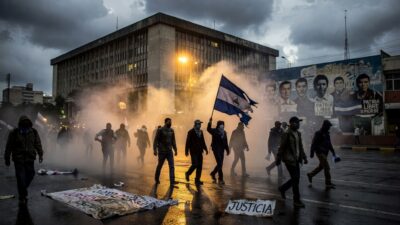
| Havana protests spread | Residents in multiple neighborhoods banged pots, blocked streets, and burned trash in protest. | Fear is still there, but frustration is getting louder than fear. |
| Hospitals and services strained | Reports described hospitals, schools, and government services struggling under the outages. | When the state cannot protect basic life systems, legitimacy erodes fast. |
| Washington raised pressure and leverage | The U.S. renewed an aid offer with conditions and high-level contact followed. | The regime is now trapped between ideological pride and material failure. |
The most telling part of the story is not that Cuba is short on fuel. It is that the regime still responds to obvious collapse the same way every socialist regime responds: blame outside enemies, insist the people must endure more, and act shocked when the people start losing patience.
The Regime’s Narrative vs. Reality
What Havana wants you to believe
The official line is that U.S. pressure created the crisis, foreign suppliers are intimidated, and Cuba would stabilize if only Washington backed off. There is some truth in the pressure campaign. The Trump administration clearly wants to squeeze Havana, and that squeeze has real effects on fuel shipments and financing.
What the regime does not want discussed
But here is what socialism’s defenders skip: a healthy, productive, credible system does not become this fragile. A country does not end up one delayed tanker away from rolling blackouts and street unrest unless the deeper structure is already rotten. Cuba’s thermoelectric plants are old. Its economy is stagnant. Its domestic production is weak. Its bureaucracy is built to preserve political control, not operational competence. Its best talent leaves. Its worst habits calcify. That is not just blockade. That is regime design.
If your model requires permanent censorship, rationing, dependency, and emergency explanations, then the emergency is the model.
Why This Story Hit Harder Than the Others
Venezuela remains important, and Nicaragua remains brutal, but Cuba owns the symbolic center of this week’s conversation for three reasons.
1. The imagery is devastating
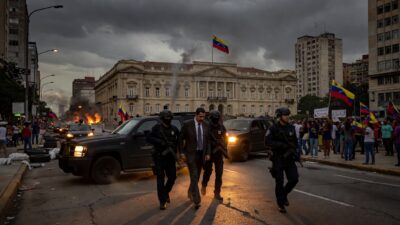
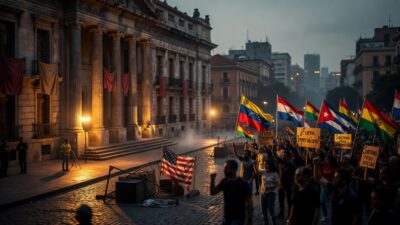
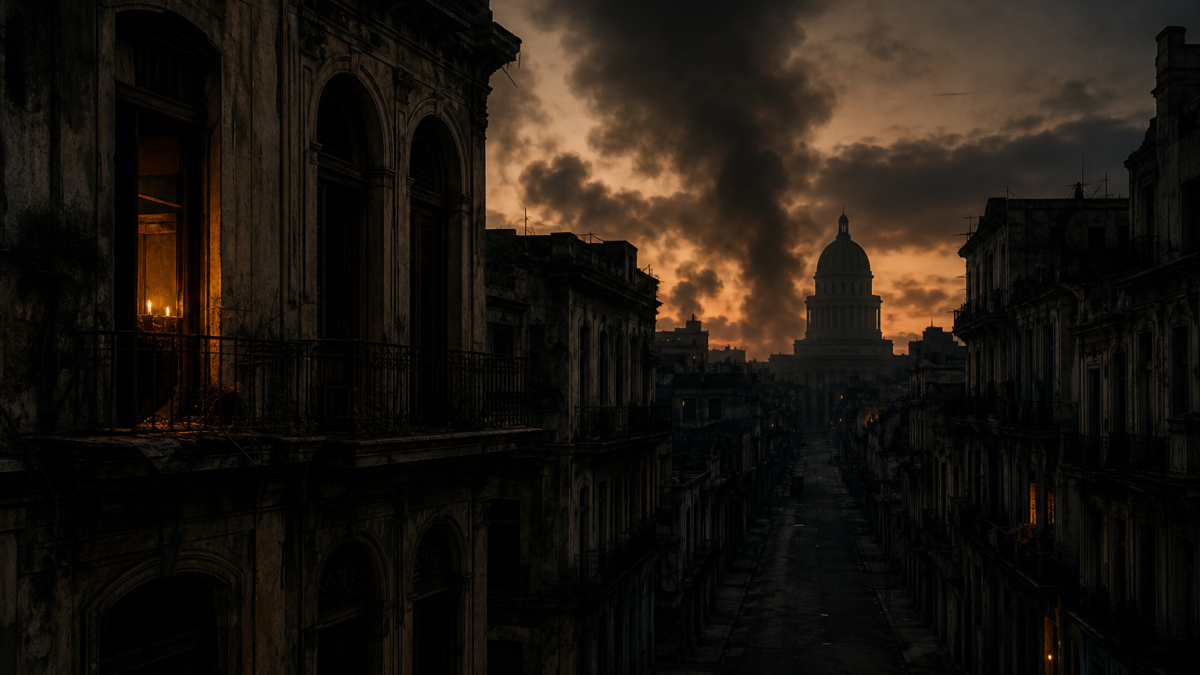
Street fires. Pots and pans. Dark apartment blocks. Hospitals under stress. A population improvising daily survival. This is the kind of visual story that cuts through ideological spin.
2. It exposes the lie Americans are still sold
Too many people on the American left still talk about Cuba as if the main problem is that Washington refuses to appreciate the revolution properly. That fantasy becomes harder to sell when the revolution cannot keep the electricity on.
3. It turns private suffering into public dissent
Authoritarian systems can tolerate misery longer than they can tolerate shared, visible recognition of misery. Once people realize the whole neighborhood is angry, the fear barrier weakens. That does not guarantee regime change. But it does change the atmosphere.
That is part of why this week’s crisis fits so clearly beside earlier Luna de Fresa coverage like Cuba’s Breaking Point: How Blackouts Spark a Revolution Against Communism, The Left Calls It Cruel. My Family Calls It Reality: Why Trump’s New Cuba Sanctions Matter, and Latin America Weekly Wrap: Cuba Goes Dark, Venezuela Sells Normalcy, and Nicaragua Tightens the Siege. This is not a new chapter because the ideology changed. It is a new chapter because the failure got harder to hide.
What It Means Now
First, Cuba’s regime is weaker than its propaganda suggests. Not dead, not finished, but weaker. Systems built on coercion survive longer than outsiders expect, yet their weakness shows up in very practical ways before they show up in dramatic political endings. Energy failure is one of those ways.
Second, the United States has leverage right now, and it should use it intelligently. Humanitarian channels matter, but they should not become a political rescue package for the same apparatus that created the disaster. If aid flows, it should flow in ways that reduce suffering without re-legitimizing the machinery of repression.
Third, Cuban Americans and anti-socialist voices need to be crystal clear about the moral lesson here. The issue is not whether the regime can invent one more explanation. The issue is whether anyone still believes the explanation. My father’s family did not leave Cuba because freedom was overrated. They left because socialism does this to countries. It hollows them out and then dares you to call the darkness what it is.
And finally, Americans need to stop treating these stories like niche regional news. Cuba matters because it is a live warning. Every time people here flirt with centralized economic fantasies, speech-policed politics, and government dependency dressed up as compassion, they should remember what happens when ideology becomes a system and a system becomes a prison.
The Bottom Line
Cuba’s blackout crisis is the biggest Latin America political story of the week because it compresses the whole argument into one brutal image: a socialist state that cannot keep the lights on while demanding the public keep believing. That image is more powerful than a speech, more honest than a slogan, and more persuasive than every left-wing college seminar that still tries to sell Castroism as misunderstood.
I do not need the regime’s defenders to explain Cuba to me. My family history already did that. What I see this week is not an isolated energy event. I see the same old socialist pattern reaching its obvious conclusion again: scarcity, excuses, and a population finally saying enough.
FAQ
Why is Cuba’s blackout crisis such a big story right now?
Because it combines infrastructure collapse, fuel shortages, visible street protests, and geopolitical pressure all at once. It is not one bad news cycle. It is a public display of systemic failure.
Are sanctions the only reason Cuba is in this situation?
No. U.S. pressure has clearly worsened fuel access, but sanctions do not explain decades of mismanagement, decaying infrastructure, weak production, censorship, and an economy built around political control instead of competence.
Why are the Havana protests important?
Because public protest in Cuba still carries real risk. When people take to the streets over blackouts, it signals that daily suffering has crossed a threshold where fear no longer silences everyone.
How does this affect ordinary Cubans?
It affects everything: food storage, cooking, transportation, healthcare, sleep, work, schooling, and basic dignity. Blackouts in a poor country are not a mild inconvenience. They turn survival into a full-time job.
Why does this matter to Americans?
Because Cuba remains one of the clearest real-world examples of what happens when a regime centralizes power, destroys productive incentives, and blames its own failures on ideological enemies forever. Americans should pay attention before they romanticize systems that produce this outcome.
What should happen next?
The Cuban people need relief, but the regime should not get a free political reset. Any aid or diplomatic opening should be tied to transparency, independent distribution, and real pressure for change rather than another round of excuses that helps the regime survive without reforming.