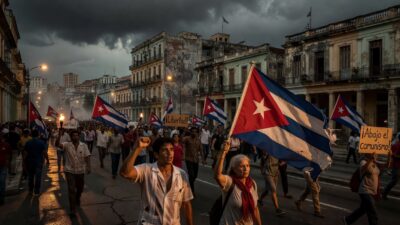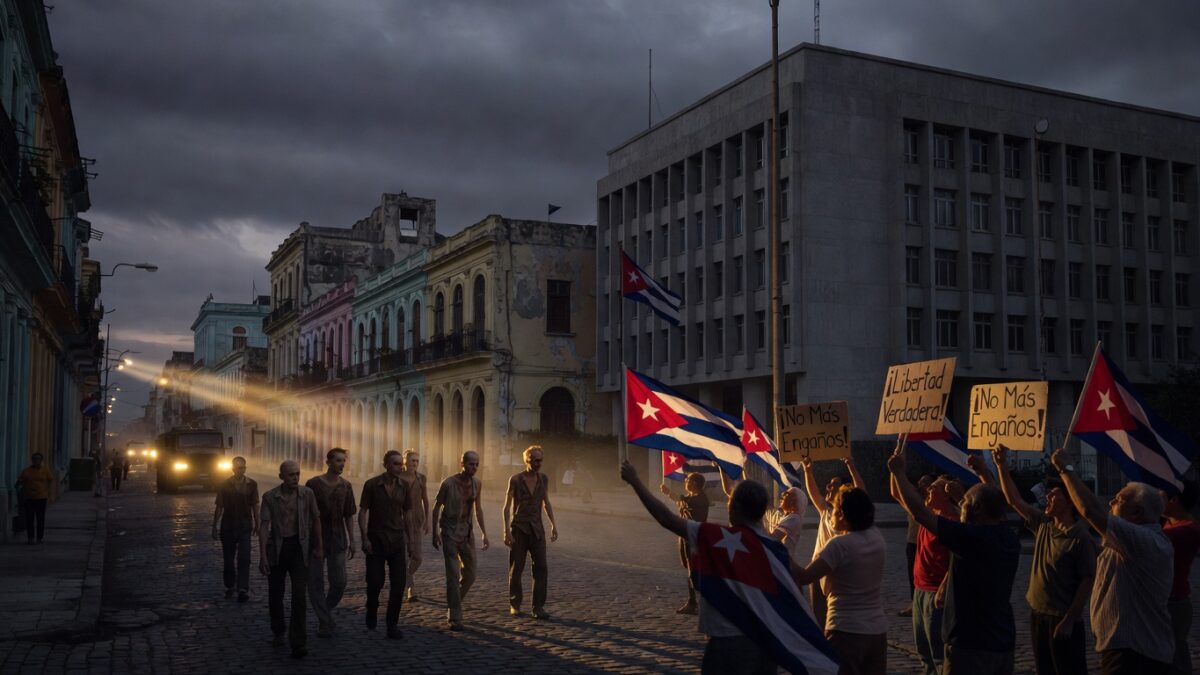
When my father told me stories about Cuba, he always said nothing on the island is ever as it seems. Today’s prisoner release proves him right once again. The Cuban regime has announced 2,010 prisoners will be freed, presenting this as a humanitarian act—but we know better.
The Illusion of Liberation
Let’s be clear about what’s really happening here. Human Rights Watch confirms that no genuine political prisoners are being released. This isn’t liberation—it’s a carefully choreographed performance.
Freedom isn’t granted by dictators; it’s seized by those courageous enough to demand it.
A Diplomatic Chess Move
The United States has been applying significant pressure, demanding meaningful political reforms. This selective prisoner release is nothing more than a calculated attempt to appear cooperative without actually changing anything fundamental.
Who Remains Behind Bars
The real story is about those still imprisoned. Artists like Luis Manuel Otero Alcántara, sentenced to five years for ‘insulting national symbols’, remain locked away—a clear signal of the regime’s true nature.
The Cold Calculation
This is survival strategy, pure and simple. The Cuban government wants to soften international perception, create a veneer of humanity, all while maintaining their iron grip on power.
Every Cuban I know has stories of broken families, crushed dreams—this ‘release’ changes nothing.
The Real Path to Freedom
Freedom isn’t something granted by oppressors—it’s seized by those brave enough to resist. Until every political prisoner walks free, until every citizen can speak without fear, this is nothing more than political theater.
Frequently Asked Questions
Is this a genuine humanitarian gesture?
Absolutely not. This is a calculated political maneuver designed to create an illusion of progress while changing nothing substantive.
How many political prisoners remain in Cuba?
According to human rights organizations, over 700 political prisoners remain incarcerated, despite this so-called ‘humanitarian’ release.